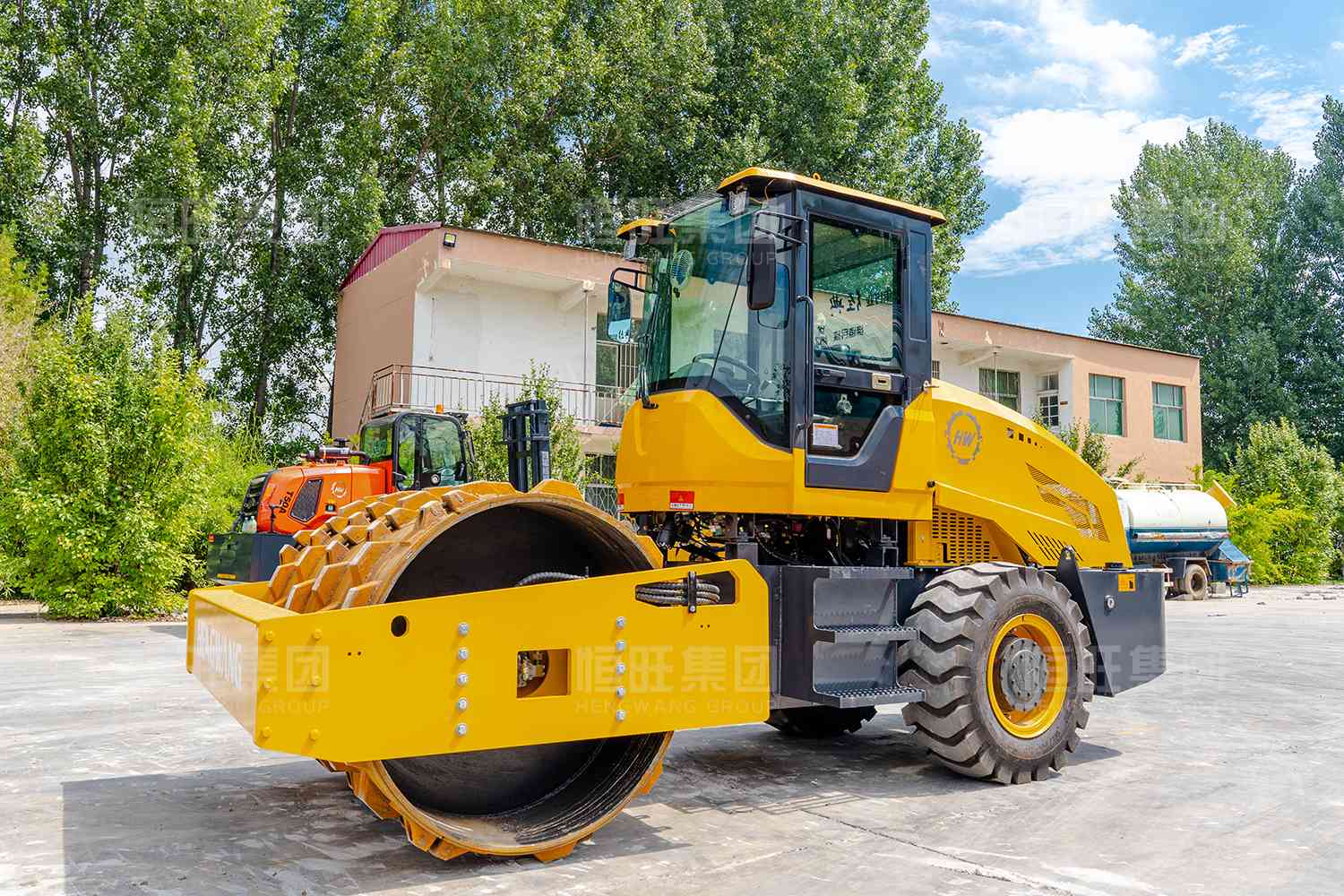
Operating road rollers in cold environments presents significant challenges, with low temperatures notably impacting their performance and usability. Below is a detailed breakdown of the issues posed by low temperatures and strategies to mitigate freezing risks:
Battery Electrolyte Freezing
Coolant Freezing in Water-Cooled Engines
Unprotected coolant may freeze, expanding and leading to radiator corrosion, cylinder block cracking, or head gasket failure—resulting in costly repairs.
Cooling System Protection
Antifreeze Selection: Use ethylene glycol-based antifreeze with a freezing point 10-15°C lower than the local minimum temperature. Verify concentration via a refractometer (typically 50% solution for -30°C protection).
System Flush: Replace old coolant annually to remove sediment and maintain anti-corrosion additives. Ensure no water leakage that could dilute the mixture.
Battery Maintenance and Insulation
Thermal Insulation: Wrap batteries with heated blankets or thermal covers to maintain electrolyte temperature above freezing.
Charge Management: Use a trickle charger during downtime to sustain battery voltage (≥12.6V). Cold batteries lose 30-50% capacity, so replace units with <60% charge efficiency.
Lubrication System Adaptation
Viscosity Matching: Switch to low-viscosity oils (e.g., SAE 5W-30 for engines, ISO VG 32 for hydraulics) to reduce cold-start friction. Consult the OEM manual for grade recommendations.
Preheating Systems: Install engine block heaters or oil pan heaters to warm lubricants before startup, reducing wear on critical components like pistons and crankshafts.
Hydraulic and Fuel System Protection
Hydraulic Fluid Conditioning: Use synthetic hydraulic oils with low pour points. Install inline heaters to maintain fluid viscosity, preventing pump cavitation and valve sticking.
Fuel Treatment: Add cold flow improvers to diesel fuel to prevent wax crystallization. Drain water separators daily to remove moisture that could freeze in fuel lines.
Pre-Start Warm-Up Protocols
Idle the engine at 1,000-1,200 RPM for 5-10 minutes before loading, allowing oil pressure to stabilize and coolant to circulate. Avoid high-speed revving, which causes uneven heating.
Freeze Checks During Operation
Monitor dashboard indicators for coolant temperature drops. If the gauge shows <60°C after 15 minutes, inspect the thermostat for sticking.
Visually check for ice buildup on radiators, air intakes, or exhaust systems, which can restrict airflow and cause overheating.
Post-Operation Storage Measures
Park in enclosed shelters or use engine covers to maintain ambient temperatures above 0°C. For prolonged storage, drain coolant if antifreeze protection is uncertain.
Disconnect battery cables to prevent parasitic drain, and store batteries in a heated area at 20-25°C for optimal charge retention.
Intelligent Heating Systems
Low-Temperature-Resistant Materials
Telematics Monitoring
IoT-enabled systems send real-time alerts for low battery voltage, coolant temperature drops, or oil viscosity issues, allowing proactive intervention before freezing occurs.
Preventing freezing risks in road rollers during cold-season construction requires a comprehensive approach combining proper fluid management, equipment insulation, and intelligent operation. By implementing antifreeze protocols, upgrading to cold-rated components, and leveraging telematics for predictive maintenance, operators can minimize downtime, extend equipment lifespan, and ensure safe, efficient compaction in sub-zero environments. As construction technology advances, integrated heating systems and material science innovations will further enhance road rollers' cold-weather performance, driving productivity in harsh climates.